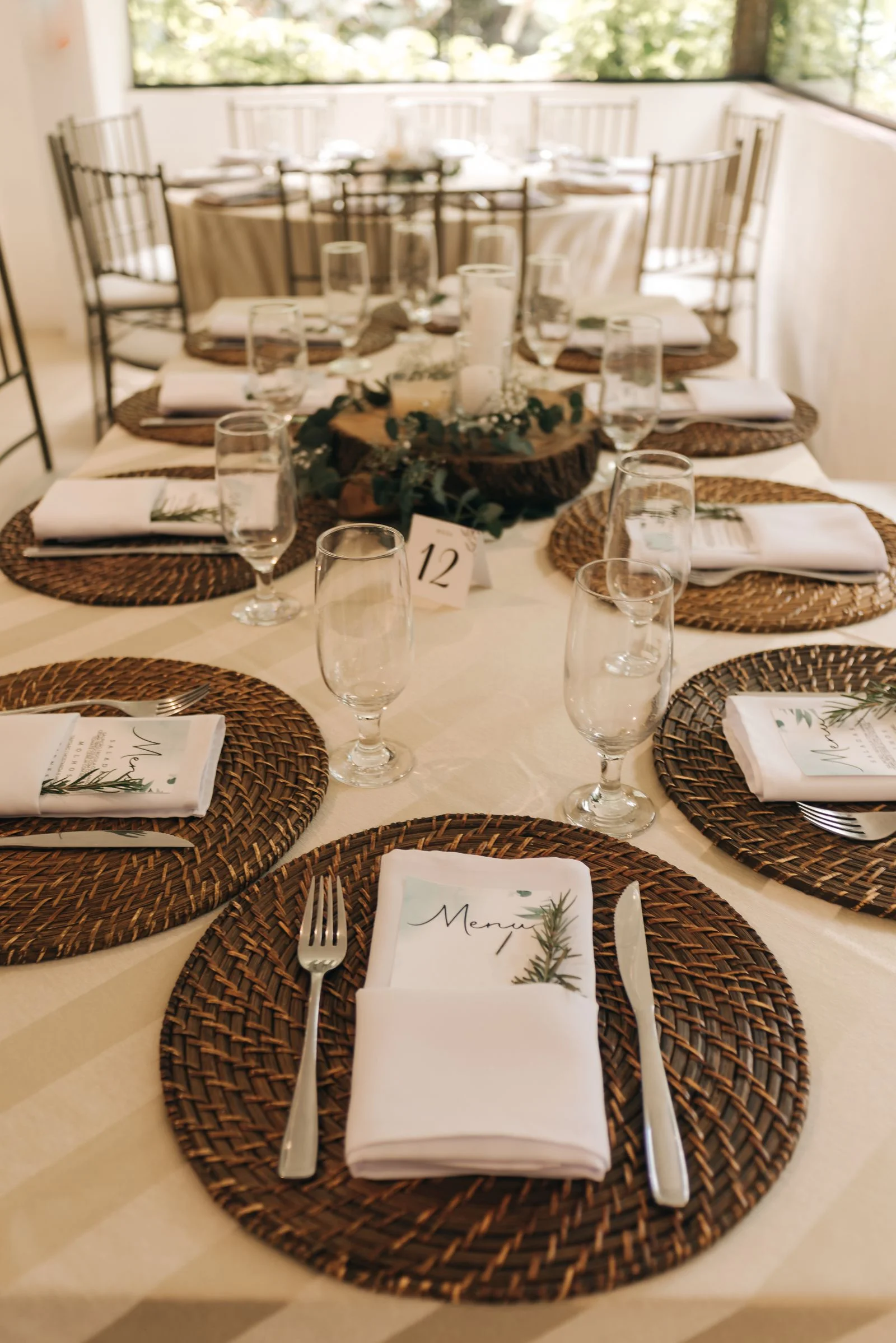

Every plus-one you grant is not just another chair at a table—it represents an additional dinner plate, drinks at the open bar, a rented linen, a printed place card, and a slice of cake. At an average reception cost of $250 to $320 per guest, extending 15 plus-ones can easily inflate your budget by $4,000 or push you over your venue’s strict legal capacity.
Here is the modern etiquette guide to making objective, fair decisions without alienating your loved ones. Track your guest count using our Wedding Guest List Manager.
Who MUST Receive a Plus-One (The Non-Negotiables)
Under traditional and modern etiquette, these guests are treated as a social unit and should always receive an invitation with their partner: 1. Married Couples: Always invited together, with both spouses' full names printed on the envelope. 2. Engaged Couples: Even if you have not met the fiancé in person. 3. Cohabiting Couples: Partners who live together are considered an established household. 4. Long-Term Partners (1+ Years): If a friend has been in a committed relationship for a year or more, their partner should be invited by name.
*Crucial Rule:* Always find out the partner's actual name! Avoid writing *"John Smith and Guest"* if John has been dating Amanda for three years. Write *"John Smith and Amanda Lee."*
Who Is Considered Optional (The Judgment Calls)
You are under no obligation to grant a plus-one to: * Casual Daters (Under 6 months): Partners your guest started seeing recently. * Single Friends Who Know Other Attendees: If a college roommate will be seated with six close friends, they will have a blast without bringing a blind date. * Coworkers: Work colleagues invited as a social group do not require plus-ones unless married.
The Bridal Party Exception
It is widely considered courteous to extend a plus-one to every member of your bridesmaids and groomsmen, regardless of their relationship status. Your wedding party invests substantial time and money into celebrating you (attire, travel, bachelor/bachelorette trips); giving them a guest is a gracious token of gratitude.
Scripts: How to Politely Decline Unexpected Requests
Calculate your per-guest catering and venue costs
See how adding 10 or 20 plus-ones impacts your bottom-line budget with our free calculator.
When a single guest texts asking if they can bring a date:
Script 1: Blaming Venue Capacity (The Gentle No) > *"Hi Mark! We wish we could accommodate everyone, but our venue has a strict capacity limit, so we unfortunately aren't able to extend plus-ones to unmarried guests. We have an amazing group of friends coming and you'll be seated with our college crew—we can’t wait to celebrate with you!"*
Script 2: Budget Constraints > *"Hi Sarah! Due to our budget constraints, we had to keep our guest list strictly to close friends and immediate family. We hope you understand and can't wait to see you on the dance floor!"*
Learn how to plan your overall guest counts in our How Many People to Invite Guide.

Collect Every Photo from Your Celebration
Collect photos from all your guests effortlessly with a WedShare table QR album.
Frequently Asked Questions
Do all adult wedding guests get a plus-one?
No. Plus-ones are traditionally mandatory only for married, engaged, cohabitating couples, and members of your bridal party. Truly single guests or casual acquaintances do not automatically require a plus-one.
Can a guest transfer their plus-one to someone else if their partner cannot attend?
No. A plus-one is an invitation extended to that specific individual or their established partner. An invitation cannot be reassigned to a random acquaintance without the couple’s explicit consent.
How do we write invitations so guests know they do not have a plus-one?
Address the envelope specifically to only the invited guest by name, and specify on the RSVP card: "We have reserved 1 seat in your honor."
What should we do if a guest writes in an uninvited plus-one on their RSVP?
Call or message them directly with warmth: "We are so thrilled you can join us! Due to strict venue capacity limits, we unfortunately cannot accommodate additional guests beyond those named on the envelope. We hope you can still celebrate with us!"