Every wedding planning decision traces back to one foundational number: your guest count.
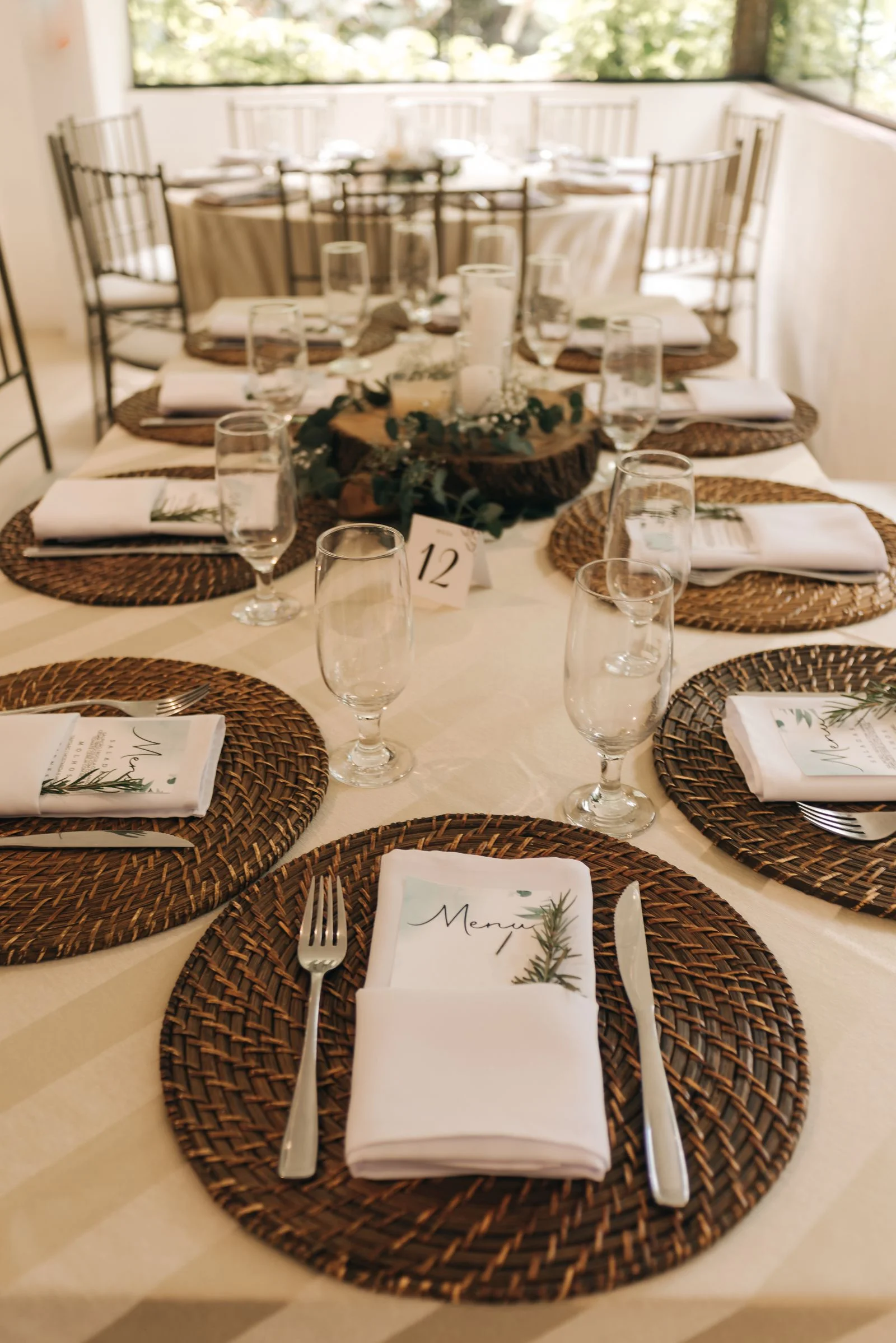
You cannot book a venue, choose a catering package, order centerpieces, or buy alcohol until you know how many people will be sitting in the room. Furthermore, because catering, bar, rentals, and stationery scale linearly, cutting just 15 guests can instantly save $4,000 to $5,000 from your budget.
Here is how to calculate your invitation list mathematically and avoid catastrophic overbooking. Track your headcount in real time with our Guest List & RSVP Manager.
The Average Decline Rate: What to Realistically Expect
Never assume 100% of invited guests will attend: * Local In-Town Weddings: Typically experience a 15% to 20% decline rate. If you invite 150 guests, expect 120 to 128 to RSVP "Yes." * Regional / Domestic Flights (2+ hours away): Typically experience a 20% to 30% decline rate. * International Destination Weddings: Typically experience a 35% to 50% decline rate due to airfare costs and vacation schedules.
*Critical Warning:* Never invite more people than your venue's maximum capacity on the assumption that 20% will decline! If you have a popular summer weekend date and a tight-knit family, your decline rate might only be 5%, leaving you with nowhere to seat unexpected guests.
How to Manage A-List and B-List Invitations
Tiering your invitations allows you to invite secondary guests (like coworkers and casual friends) without exceeding your venue limit: 1. Send A-List Invitations Early: Mail A-list invites 10 to 12 weeks in advance with an RSVP deadline of 6 weeks before the wedding. 2. Review Initial Declines: As A-list regrets arrive, immediately send B-list invitations in waves. 3. Keep B-List Deadlines Natural: Ensure B-list guests receive their invitations at least 5 weeks before the date so they never feel like an afterthought.
Learn more in our When to Send Wedding Invitations Guide.

Collect Every Photo from Your Celebration
Capture memories from every attending guest with WedShare table QR cards.
Frequently Asked Questions
What is the average decline rate for a local wedding?
For local weddings where most guests reside within driving distance, expect a 10% to 15% decline rate. If you invite 150 people, expect approximately 128 to 135 to attend.
Is it safe to invite more people than our venue maximum capacity?
Never over-invite beyond your venue’s legal fire capacity. If your venue caps at 150 guests, never send more than 150 invitations on round one, regardless of expected decline rates.
How does guest count affect our total wedding budget?
Guest count directly dictates 40% to 50% of your expenses—including catering, bar, chair rentals, centerpieces, favors, and cake. Trimming 15 guests saves $3,000 to $5,000 instantly.
How do we handle B-list invitations without offending guests?
Send A-list invitations early (10–12 weeks out) with an earlier RSVP cutoff. As declines arrive, mail B-list invitations at the 7 to 8-week mark using a second set of printed cards with an adjusted reply deadline.