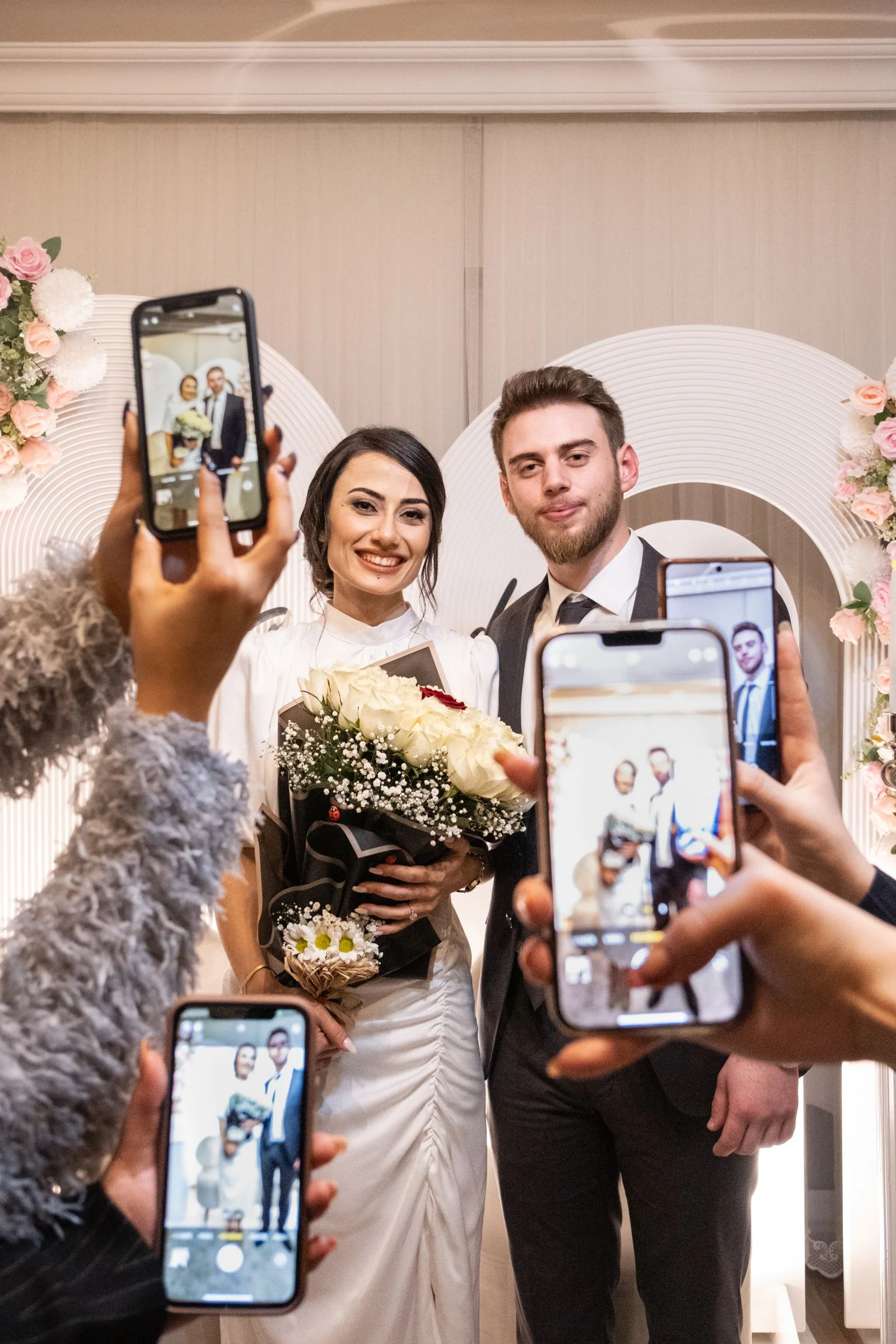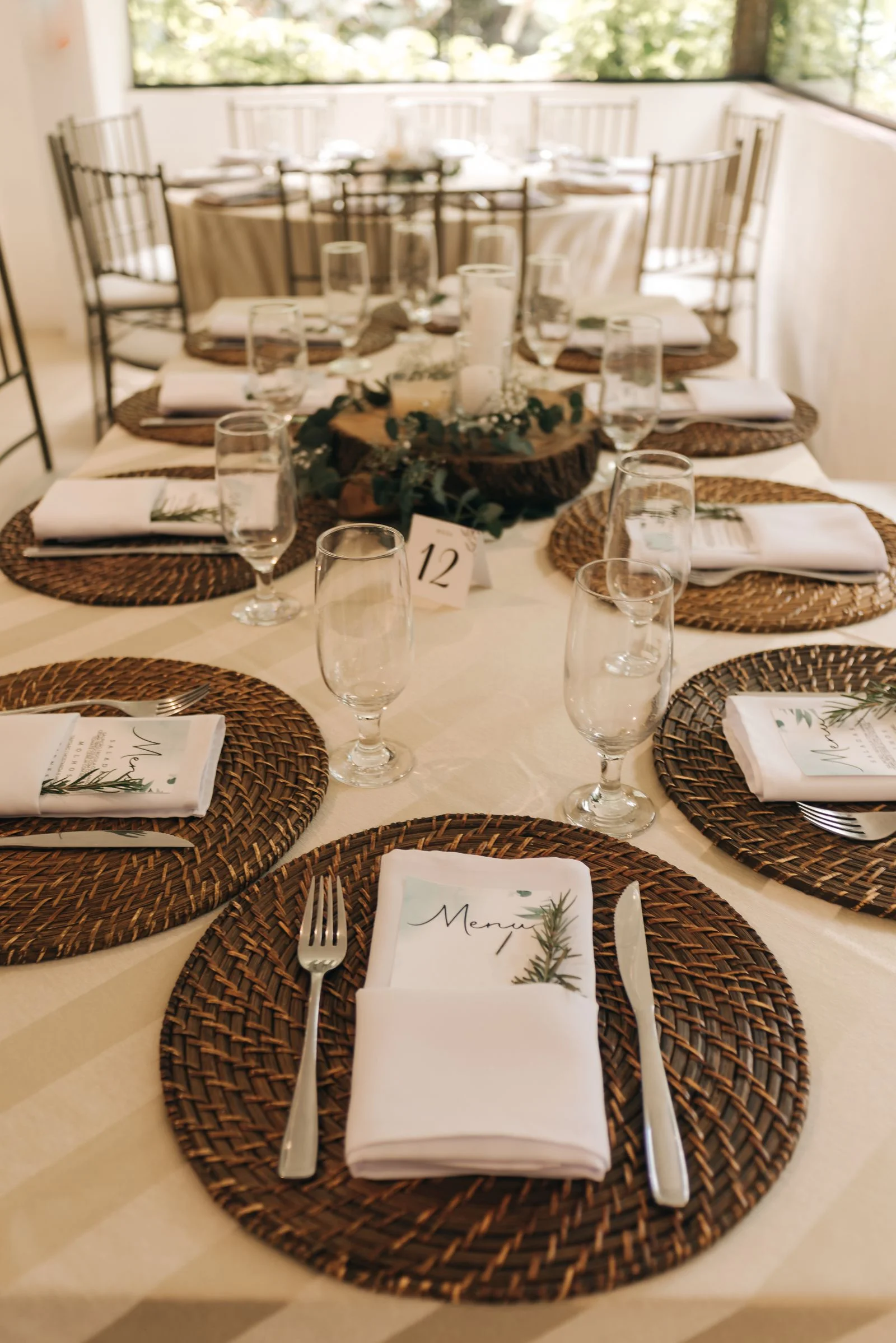

A wedding rehearsal is meant to instill confidence, settle nervous jitters, and ensure every attendant knows exactly where to walk and stand.
Too often, however, rehearsals devolve into unfocused social hours. Family members chat in the back pews, attendants wander off to look at their phones, and an unguided rehearsal drags on for 90 agonizing minutes, leaving everyone exhausted and running late for the rehearsal dinner.
A professional wedding coordinator can run an entire wedding ceremony rehearsal in precisely 45 minutes.
The key is strict structure, clear leadership, and practicing the ceremony in a proven pedagogical sequence.
Here is your definitive guide to executing a flawless wedding ceremony rehearsal.
Why Every Wedding Rehearsal Must Be Capped at 45 Minutes
Forty-five minutes is the psychological sweet spot for group attention. Beyond 45 minutes, wedding party members lose focus, young ring bearers become restless, and the celebration atmosphere turns into chore-like fatigue.
Rehearsals should never involve reading the full vows or reciting the entire sermon. The rehearsal is strictly for muscle memory, physical pacing, and choreography.
Who Needs to Attend the Rehearsal?
Keep the guest list for the walkthrough strictly limited to operational participants:
- The Couple: The center of the choreography.
- The Officiant: To confirm mic placement and cues (if attending; otherwise the coordinator stands in).
- The Wedding Party: Maid of Honor, Best Man, Bridesmaids, Groomsmen.
- Parents & Grandparents: Anyone processing down the aisle or being escorted.
- Flower Girls & Ring Bearers: Plus at least one parent to guide them.
- Ushers & Readers: Anyone with physical movement during the ceremony.
- *Do Not Invite:* Extended family, rehearsal dinner guests, or plus-ones who are not in the processional. Ask them to meet the group directly at the dinner venue.
The 45-Minute Rehearsal Timeline Breakdown
Follow this exact minute-by-minute structure:
| Time Elapsed | Segment | Focus & Action Items |
|---|---|---|
| 00 – 05 min | Welcome & Call to Order | Gather group; silence phones; explain that rehearsal will be fast and fun. |
| 05 – 15 min | The Altar Reverse-Setup | Place everyone in their final altar standing positions *first*. Check spacing. |
| 15 – 25 min | Ceremony Mechanics Practice | Practice bouquet handoff, ring transfers, step-aside for kiss, and recessional. |
| 25 – 35 min | Full Walk-Through 1 (Processional) | Walk complete processional with music timing and 4-pace spacing. |
| 35 – 40 min | Full Walk-Through 2 (Speed Run) | Run the entire sequence once more without pausing to solidify muscle memory. |
| 40 – 45 min | Final Q&A & Departure | Remind bridal party of tomorrow morning's call time; dismiss to rehearsal dinner. |
The Secret Pro Technique: Rehearse in Reverse
Plan Your Entire Wedding Day Schedule
Build your complete day-of wedding timeline from morning prep through grand exit with our free Wedding Day Timeline Builder.
Amateurs start the rehearsal at the back of the church doors, walking down the aisle blindly. When they reach the front, everyone is bunched together awkwardly, wondering where to stand.
Professional coordinators always rehearse in reverse:
- Step 1: Bring everyone straight to the front of the ceremony space.
- Step 2: Place the couple, officiant, maid of honor, best man, and attendants in their exact standing marks.
- Step 3: Establish spacing (attendants should stand with arm's length between them, angled slightly toward the couple at a 45-degree chevron angle).
- Step 4: Now that everyone knows their destination mark, have them practice the Recessional exit first!
- Step 5: Once at the back of the room, they are now perfectly staged to practice the Processional entrance.
Processional Pacing & Footwork Mechanics
The most common processional error is rushing. Nervous adrenaline makes attendants walk too fast, making it impossible for the photographer to capture clean individual frames:
- The Spacing Standard: Attendants should maintain a 4 to 5-pace separation between couples or individuals. The next person does not begin walking until the preceding person is halfway down the aisle.
- Walking Speed: Walk to the rhythm of a relaxed heartbeat. Attendants should look up with relaxed smiles, keeping their eyes focused on the altar or guests rather than staring at their feet.
- Father / Escort Handoff:
- * When the Bride and Father reach the altar, the father shakes the groom's hand, kisses the bride, places her hand in the groom's hand, and steps back.
- * The officiant says: *"Please be seated."* Guests and parents sit down in unison.
Altar Spacing, Posture & Bouquet Positioning
Subtle physical posture habits make a huge difference in professional wedding photography:
- Bouquet Height (The Belly-Button Rule): Nervous bridesmaids unconsciously pull bouquets up to their collarbones, hiding neckline details. Instruct bridesmaids to rest their wrists on their hipbones or hold bouquets at belly-button height with soft, relaxed elbows.
- Hand Clasping for Groomsmen: Groomsmen should choose a uniform stance: either hands clasped in front (left hand over right wrist) or hands clasped behind the back. Never keep hands in pockets.
- The Officiant's Step-Aside: During the final kiss pronunciation, instruct the officiant to take two large steps to the left or right before saying *"You may kiss the bride."* This ensures the couple's iconic kiss photo has a clean background rather than the officiant's face floating between them.
Managing Flower Girls, Ring Bearers & Pets
Children under five years old cannot be expected to follow complex scripts. Set them up for success:
- Seat Parents in Row 1: Have the mother or father of the flower girl sit in the aisle seat of the very first row. The child is told: *"Just walk down the pretty carpet straight into Mommy's arms."*
- Fake Rings on the Pillow: Never, under any circumstances, attach real wedding bands to a ring bearer pillow. Tie fake dummy rings to the ribbon; the Best Man keeps the actual wedding bands securely in his suit pocket.
- No Forcing: If a toddler freezes at the back doors, do not drag them down the aisle. Have their parent carry them or simply let them sit with family.
Wedding Rehearsal Checklist
- [ ] Limit rehearsal attendees strictly to active processional participants
- [ ] Bring attendants to the altar first to establish spacing and posture marks
- [ ] Practice the Officiant step-aside before the first kiss
- [ ] Rehearse bouquet handoff to Maid of Honor and ring transfer from Best Man
- [ ] Practice the Recessional exit first, followed by two complete processional runs
- [ ] Confirm child attendants have parents seated in Row 1
- [ ] Dismiss promptly at the 45-minute mark to keep the rehearsal dinner on time

Collect Every Photo from Your Celebration
Capture every candid moment of your rehearsal dinner and wedding day with WedShare. No apps to download, 100% full-resolution photo sharing.
Frequently Asked Questions
How long should a wedding ceremony rehearsal take?
A well-run ceremony rehearsal should take no more than 45 minutes. Practicing the ceremony in reverse and running two complete processionals is more than enough to establish muscle memory without fatiguing the wedding party.
Do you read the entire vows during the rehearsal?
No. Never read your full vows or recite the entire sermon during rehearsal. Save the emotional words for the wedding day; the rehearsal is strictly for physical pacing, spacing, and audio cues.
Who pays for the wedding rehearsal dinner?
Traditionally, the groom's parents pay for the rehearsal dinner. In modern weddings, couples frequently co-fund the dinner, or both sets of parents contribute equally.
What should you wear to a wedding rehearsal?
Dress codes for the rehearsal typically match the formality of the subsequent rehearsal dinner, usually smart casual to cocktail attire (e.g., a white sundress or jumpsuit for the bride, and slacks with a collared shirt for the groom).