Creating the wedding reception seating chart is notorious for being one of the most psychologically complex tasks of wedding planning. You are not merely assigning chairs; you are balancing family politics, honoring lifelong friendships, navigating divorced parent dynamics, and engineering the social energy of the entire evening.
When executed thoughtfully, assigned seating eliminates high-school-cafeteria anxiety, ensures dinner starts on time, and fosters lively conversations that spill directly onto the dance floor.
Here is your comprehensive playbook for deciding who sits where, handling delicate family situations, and optimizing room layout.
The Focal Table: Sweetheart vs. Head vs. King’s Table
Your choice of focal table establishes the visual center of the ballroom and determines how you experience dinner:
| Table Configuration | Seating Arrangement | Best Suited For | Key Advantages & Trade-Offs |
|---|---|---|---|
| Sweetheart Table | Just the newlyweds seated alone facing the room. | Couples who want 20 minutes of private intimacy during dinner. | Pros: Allows wedding party members to sit with their own dates/spouses. Cons: Couple can feel slightly isolated on display. |
| Traditional Head Table | Newlyweds and all bridesmaids/groomsmen seated in a single long row facing out. | Formal classic weddings with small bridal parties. | Pros: Grand, dramatic photo backdrop. Cons: Separates bridal party members from their romantic partners or children. |
| King’s Table (Banquet Table) | Newlyweds, bridal party members, and their dates seated on both sides of a wide banquet table. | Highly social couples with large wedding parties. | Pros: Natural dinner conversation, includes plus-ones, feels like an intimate dinner party. Cons: Requires substantial floor space. |
Parent & Family Seating (Including Divorced Parents)
Honor your closest family members by placing them in prime visual positions near the newlyweds:
1. Traditional Married Parents If both sets of parents are happily married and get along well: * **Option A (Shared VIP Table):** Both sets of parents, grandparents, and siblings share Table 1 directly in front of the couple. * **Option B (Separate Host Tables):** Table 1 hosts the bride's parents, close aunts/uncles, and family friends. Table 2 hosts the groom's parents and their immediate family. Both tables sit equally close to the couple.
2. Navigating Divorced & Remarried Parents When parents are divorced, forcing them to sit together at the same table creates palpable tension that ruins their evening. Follow these gracious rules: * **Create Separate VIP Tables:** Assign the mother and her partner/family to Table 1, and the father and his partner/family to Table 2. * **Equal Sightlines:** Position both tables at identical distances from the newlyweds so neither parent feels slighted or "relegated to the back." * **Step-Parent Etiquette:** If step-parents played an active role in raising you, seat them at their spouse's table. If relationships are contentious, step-parents can be seated at an adjacent close family table.
Guest Grouping Formulas: Chemistry & Comfort
Avoid the dreaded "random leftovers" table where unrelated stragglers are thrown together. Follow these psychological grouping principles:
- Connect Through Shared History: Group guests by natural social eras—high school friends, college roommates, current neighborhood friends, former corporate coworkers, or extended cousins.
- The "Anchor" Principle: Ensure every guest knows at least two to three other people at their table. If you have solo friends who do not know anyone, group them with your warmest, most charismatic, welcoming friends.
- Age & Energy Calibration: Do not seat elderly grandparents next to the subwoofer or directly adjacent to the high-energy fraternity table. Place older guests near exits and well away from DJ speaker stacks.
- Resist Forced Matchmaking: Never create an obvious "singles table." It feels awkward and transparent for single adults. Instead, seat single guests naturally among couples who share common interests or professions.
Escort Cards vs. Place Cards vs. Seating Charts
Design your custom reception floor plan with ease
Use our free interactive wedding seating chart tool to arrange round or banquet tables and balance guest groups.
Know the operational difference between these three seating tools:
- Seating Chart Display: A large printed board (24" × 36") or mirror at the reception entrance listing guest names and their assigned table numbers.
- Escort Cards: Small individual folded cards or tags arranged on a table during cocktail hour. Guests pick up their card, which reads *"Samantha Collins — Table 4"*, and carry it into the dining room.
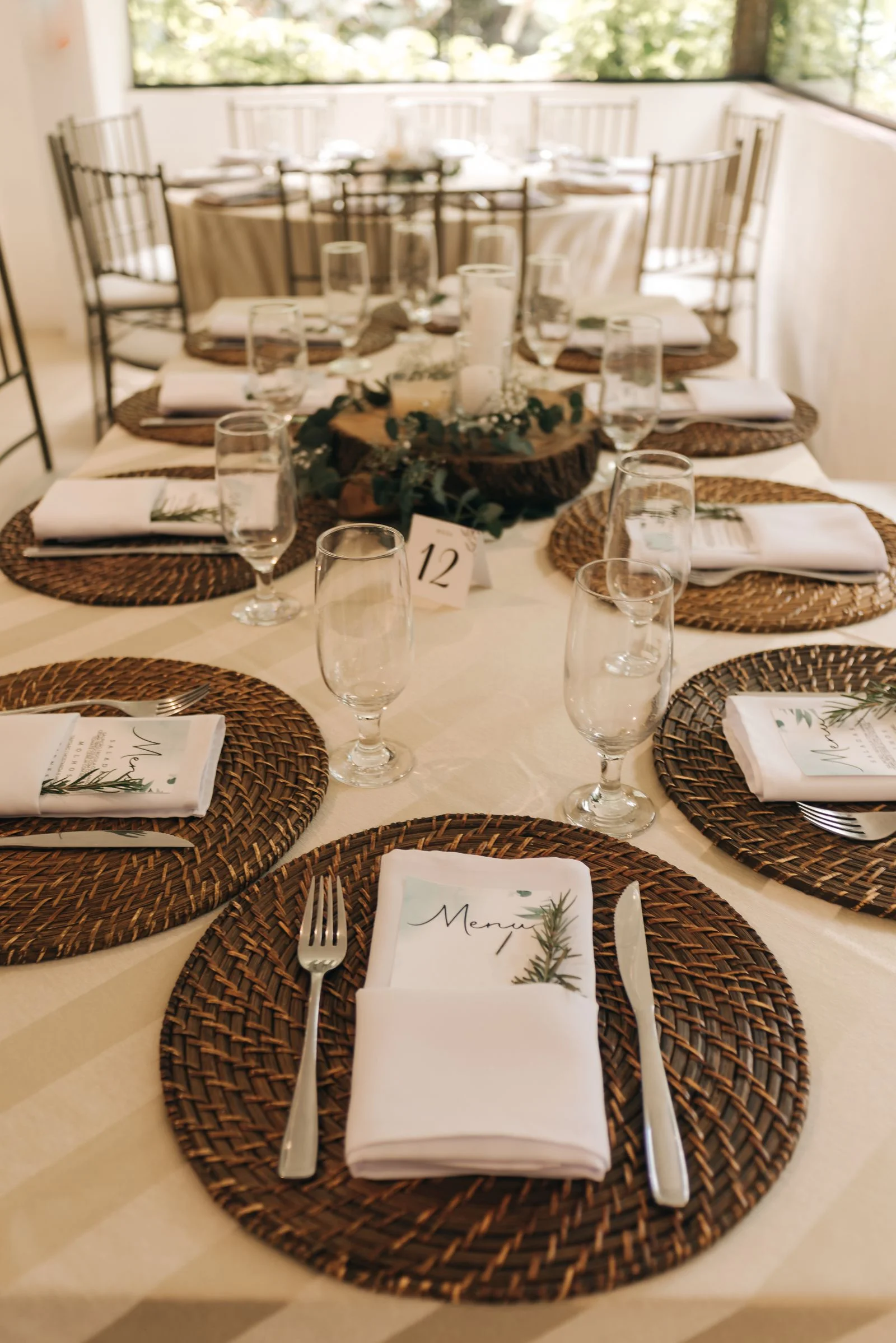
- Place Cards: Individual cards set at each specific dinner plate (*"Samantha Collins"*), dictating the exact chair the guest must occupy at the assigned table. Place cards are mandatory whenever catering contracts require itemized plated meal choices (beef, salmon, vegetarian).
Physical Room Layout & Traffic Flow Rules
Physical spacing makes or breaks dinner service comfort:
- 60-Inch Round Tables: Comfortably seat 8 guests (max 9).
- 72-Inch Round Tables: Comfortably seat 10 guests (max 11).
- Aisle Clearance: Maintain at least 60 inches (5 feet) of clear passage between tables to allow catering servers carrying heavy trays, guests in formal dresses, and wheelchair users to navigate safely.
- Dance Floor Visibility: Keep tables angled so all guests can see first dances and toasts without having to stand up or crane their necks uncomfortably.
Step-by-Step Seating Chart Checklist
- [ ] Select between a Sweetheart Table, Traditional Head Table, or King's Banquet Table
- [ ] Determine if parents will share a combined VIP table or have separate host tables
- [ ] Group guests by social circles, ensuring everyone knows at least 2 other people at their table
- [ ] Arrange large entryway seating displays alphabetically by last name
- [ ] Provide caterer with finalized table rosters and dietary restriction tags 14 days prior
- [ ] Place WedShare QR cards on every table so guests can upload candid dining photos

Collect Every Photo from Your Celebration
Encourage table camaraderie by placing WedShare QR cards on every table so guests can upload and view each other’s photos.
Frequently Asked Questions
Is it rude to not have assigned seating at a wedding reception?
Yes. Open seating at weddings over 50 guests causes chaos, bottlenecks, and split couples. It forces the last guests to awkwardly wander looking for empty single chairs.
Should a seating chart be arranged alphabetically or by table number?
Always list names alphabetically by last name. Alphabetical organization allows guests to find their assigned table in 5 seconds, preventing hallway gridlock.
Where do divorced parents sit at a wedding reception?
Seat divorced parents at two separate VIP tables placed equally close to the couple. This avoids awkward tension and ensures both parents feel honored.
What is the difference between an escort card and a place card?
An escort card directs guests to their assigned table. A place card sits at the specific dining chair, dictating the exact seat and often indicating meal selection to catering staff.