Wedding photography is consistently ranked by newlyweds as one of the top three highest-priority wedding investments, alongside venue and catering. After the flowers wilt, the cake is eaten, and the music fades, photographs and videos are the only physical artifacts that remain from your wedding day.
To understand how couples are allocating their budgets, what deliverables they receive, and how guest smartphone behavior is shifting the industry, we analyzed data from leading industry benchmarks including The Knot Real Weddings Study, the Wedding Report, and empirical usage patterns.
Here is the data-driven reality of wedding photography today.
Key Findings & National Averages at a Glance
- Average Cost of a Wedding Photographer (US): $2,900 – $3,500 (representing 10%–14% of the total wedding budget).
- Average Hours of Coverage: 8 hours of continuous wedding day coverage.
- Average Delivered Photos: 500 – 800 fully edited images (an average of 60 to 100 images per hour of coverage).
- Average Guest Photos Taken: 20 to 35 photos/videos per guest.
- Total Guest Photos per Wedding (120 guests): 2,400 to 4,200 candid moments captured on smartphones.
- Percentage of Guest Photos Lost: 85% of guest photos are never shared with the couple without a centralized QR sharing system.
Average Wedding Photography Costs by Region
Photography costs vary significantly depending on geography, cost of living, and vendor experience tier:
| Region / Metro Tier | Budget Range | Average Cost | Luxury Tier |
|---|---|---|---|
| Tier 1 Metros (NYC, SF, LA, Boston) | $3,500 – $5,000 | $4,800 – $6,500 | $9,000 – $15,000+ |
| Tier 2 Metros (Austin, Denver, Chicago, Seattle) | $2,500 – $3,800 | $3,400 – $4,500 | $6,500 – $10,000 |
| Mid-Size / Suburban Regions | $1,800 – $2,800 | $2,600 – $3,200 | $4,500 – $7,000 |
| Rural / Small Towns | $1,400 – $2,200 | $2,000 – $2,600 | $3,500 – $5,000 |
| International Destination Weddings | $4,000 – $7,500 | $6,000 – $9,000 | $12,000 – $25,000+ |
To see how photography fits into your overall wedding budget, try our free Wedding Cost Calculator.
How Many Photos Do Photographers Actually Deliver?
One of the most common misconceptions among engaged couples is expecting thousands of delivered photos from their photographer. In reality: * A professional photographer typically shoots between 2,500 and 4,500 raw frames over an 8-hour wedding. * During the culling and editing process, duplicate shots, test flashes, closed eyes, and unflattering angles are removed. * The final delivered gallery generally contains 50 to 100 polished photos per hour of coverage. For an 8-hour package, expect between 400 and 800 final images. * Delivery turnaround time averages 6 to 10 weeks during peak wedding season.
Guest Smartphone Photography Statistics
Curious how many photos your guests will take?
Use our free calculator to estimate total photos captured by your guests and photographer based on your guest count.
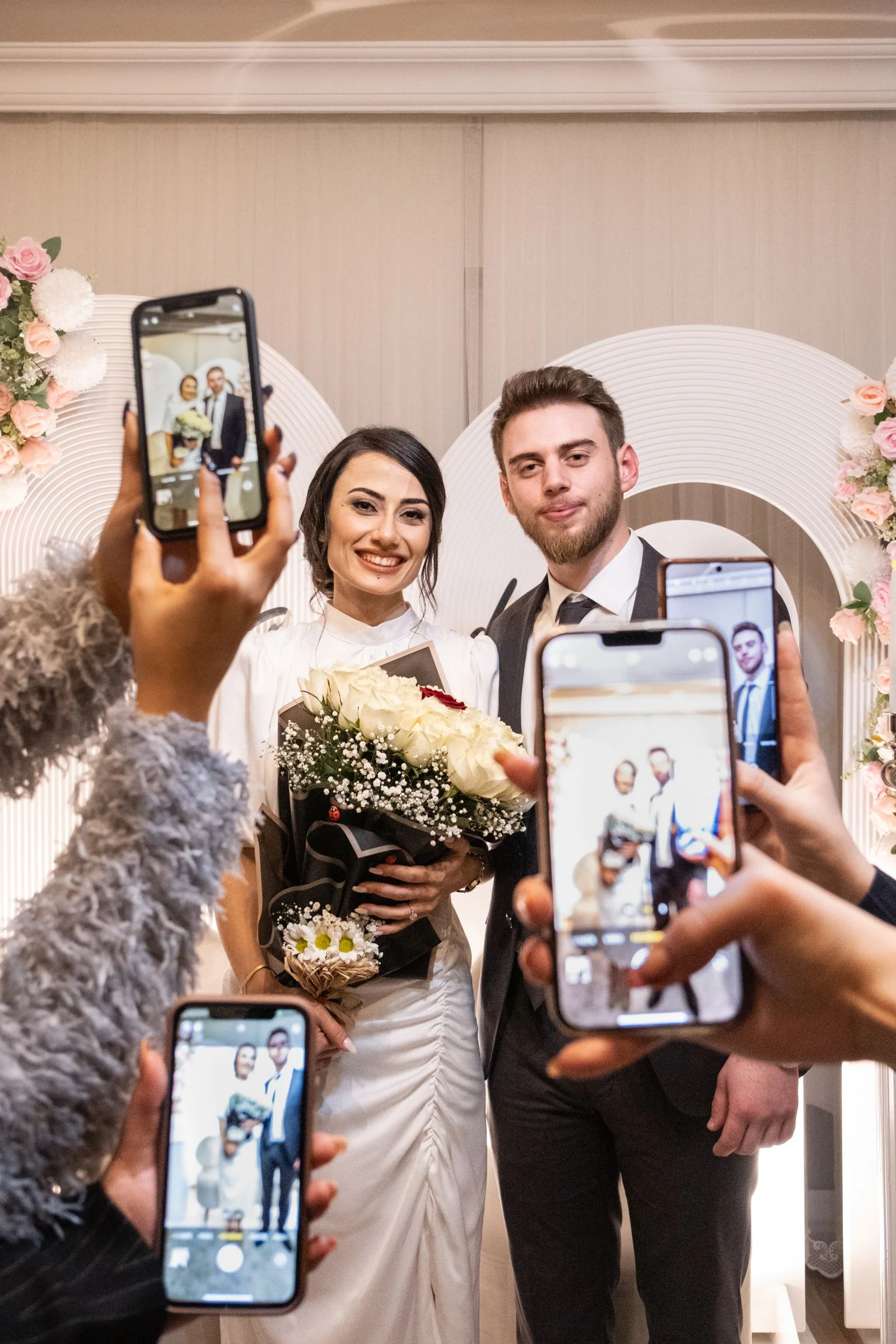
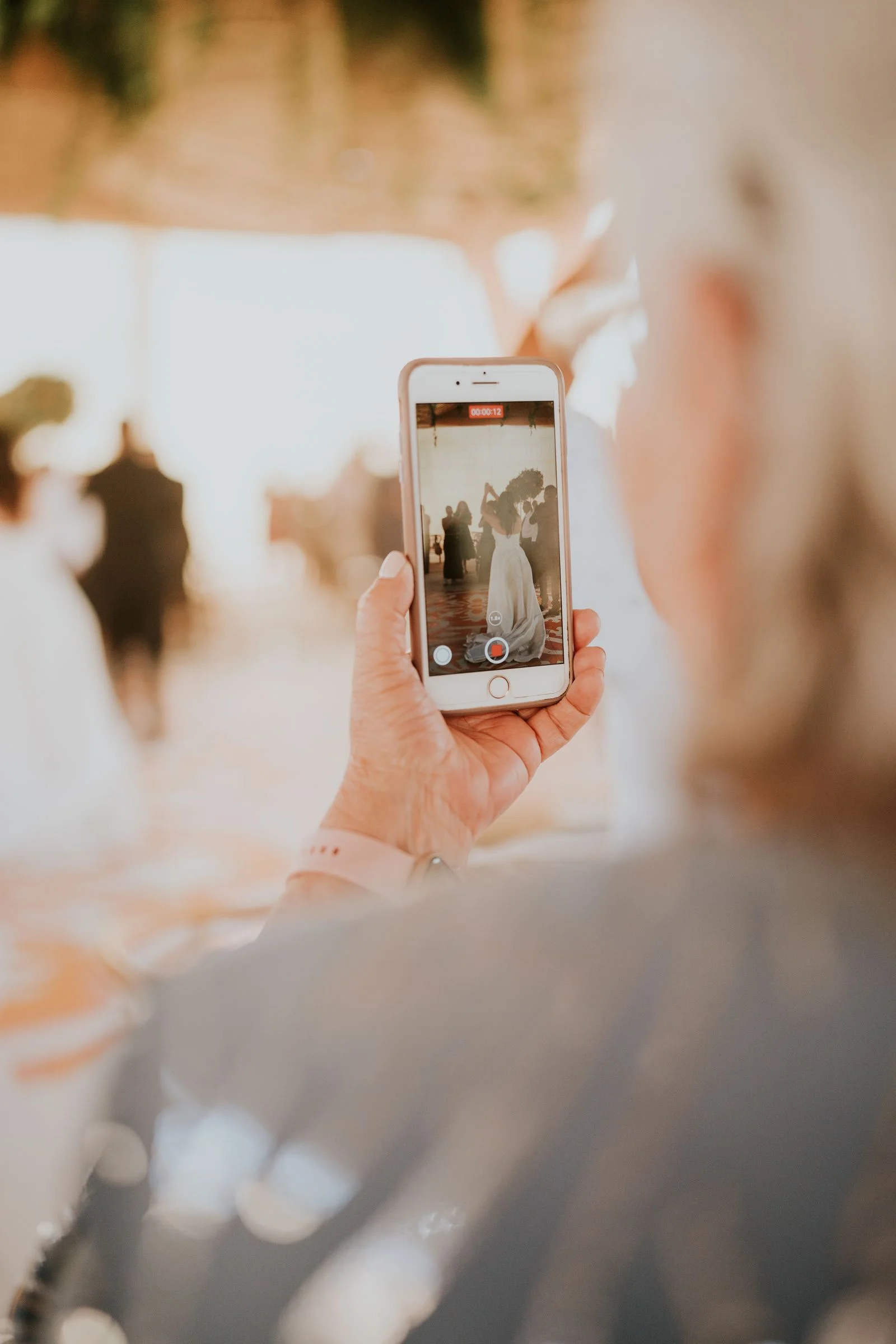
With modern smartphones featuring 48-megapixel optical sensors and 4K cinema-grade video, wedding guests are equipped with extraordinary photographic capability.
- 92% of wedding guests take at least 5 photos or videos during a wedding.
- Guests capture the most media during three specific windows:
- 1. Cocktail hour & reception table conversation (35% of all guest media).
- 2. Late-night open dance floor & party moments (30%).
- 3. Pre-ceremony arrivals & speeches (25%).
- 84% of couples reported that guest-captured photos revealed emotional, funny, or touching moments that the professional photographer was not present to capture.
Top 5 Wedding Photography Trends in 2026
- The Digital "Film Roll" Disposable Camera Revival: Couples love the nostalgia of disposable cameras but hate the blurry, dark, unprintable photos. Digital "Film Roll" mode (available in WedShare) hides guest uploads until a designated reveal time the next day.
- Live Reception Slideshows: Broadcasting guest uploads onto venue screens or projector displays in real time during the reception creates an interactive, viral party atmosphere.
- Audio Voice Guestbooks: Instead of only still images, guests record voice memos and heartfelt audio toasts alongside their photos.
- Unplugged Ceremonies with Connected Receptions: Couples strictly ban phones during the intimate ceremony, and then actively encourage phone photography during dinner and dancing via table QR codes.
- Private Non-Social Media Sharing: Due to privacy concerns, couples increasingly avoid public social media hashtags in favor of unlisted, encrypted private galleries.
Why Couples Are Ditching Disposable Cameras for Digital QR Codes
For years, placing disposable cameras on reception tables was a beloved tradition. Today, the economics and quality no longer make sense: * 10 disposable cameras cost $180 – $220. * Lab film developing and scanning costs an additional $180 – $250. * Total cost: $360 – $470+. * Result: Over 40% of the exposures turn out pitch black or out of focus due to weak indoor flash. * The Modern Alternative: A single $39 WedShare album provides unlimited photos, crisp 4K smartphone resolution, instant collection, and an authentic film-roll reveal mode without the $400 bill.
Calculate photo booth costs with our free Wedding Photo Booth Cost Calculator.

Collect Every Photo from Your Celebration
Collect thousands of authentic candid moments from every guest at your celebration.
Frequently Asked Questions
What percentage of the wedding budget should go to photography?
Financial planners and wedding experts recommend allocating 10% to 15% of your total wedding budget to photography and videography combined.
How many photos do guests take at an average wedding?
At an average 120-guest wedding, attendees capture between 2,400 and 4,200 photos and videos on their personal smartphones.
How long does it take to get wedding photos back from a photographer?
Professional photographers typically require 6 to 10 weeks to cull, color-grade, and deliver a completed wedding gallery during peak season.
Are disposable cameras still popular at weddings?
While the aesthetic remains popular, couples are rapidly replacing physical disposable cameras with digital QR code alternatives due to high development costs ($400+) and poor low-light photo quality.